Supporting Recovery and Long Term Wellness Through Personalized Health and Rehabilitation Care
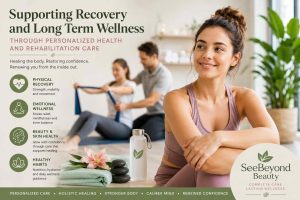
Recovery is about more than healing the body. It also involves rebuilding confidence, improving mental wellness, and creating healthier daily habits that support long term well being. At SeeBeyondBeauty, wellness and rehabilitation are approached with a more complete perspective that values both physical recovery and emotional balance. People today are increasingly looking for supportive spaces that help them feel stronger, healthier, and more connected to their personal wellness goals.
Whether someone is recovering from stress, physical strain, surgery, or lifestyle burnout, modern rehabilitation support can play a major role in helping them return to a healthier and more active life.
Understanding the Modern Approach to Rehabilitation
Rehabilitation is no longer limited to hospitals or physical therapy clinics. Today, wellness focused rehabilitation programs often combine multiple areas of care including physical support, stress management, skincare, nutrition guidance, and lifestyle improvement.
This modern approach recognizes that recovery happens best when the body and mind are supported together. A person experiencing physical fatigue or chronic stress may also struggle with confidence, motivation, or emotional wellness. By addressing these concerns as a whole, rehabilitation becomes more sustainable and effective.
Many wellness centers now focus on creating calm and restorative environments where individuals can feel safe, encouraged, and motivated throughout their recovery journey.
The Connection Between Health and Beauty
Physical wellness and personal confidence are closely connected. When people feel healthier, they often feel more comfortable and confident in their appearance as well. This is one reason why wellness focused beauty centers continue to grow in popularity.
Healthy skin, proper hydration, improved sleep, and stress reduction can all contribute to both recovery and appearance. Treatments that support relaxation and circulation may also help people feel refreshed during difficult recovery periods.
A balanced wellness routine can include:
- Gentle physical activity
- Nutritious eating habits
- Stress management techniques
- Restorative skincare treatments
- Hydration and sleep improvement
- Guided wellness programs
These habits support the body naturally while encouraging long term lifestyle improvements.
Why Emotional Wellness Matters During Recovery
Rehabilitation is not always physical. Emotional recovery is equally important, especially for people dealing with burnout, anxiety, or major life changes.
Stress can affect energy levels, sleep quality, concentration, and even physical healing. That is why many wellness professionals encourage mindfulness, relaxation techniques, and self care routines as part of recovery support.
Creating time for wellness activities can help people feel calmer and more in control of their health journey. Even small daily improvements can positively impact emotional resilience and motivation.
Supportive wellness environments also encourage individuals to stay committed to their goals without feeling overwhelmed.
Personalized Care Creates Better Results
Every person has different recovery needs. Some individuals may focus on improving mobility and strength, while others may prioritize relaxation, stress reduction, or rebuilding confidence after a challenging period.
Personalized care plans are becoming increasingly important because they allow wellness professionals to understand the unique concerns and goals of each individual. This tailored approach often leads to more effective and comfortable experiences.
Customized wellness programs may include:
Physical Recovery Support
Programs that help improve flexibility, movement, posture, and physical comfort.
Stress Reduction Treatments
Relaxation focused services that support mental calmness and emotional balance.
Beauty and Skin Wellness
Treatments that help individuals feel refreshed and confident while supporting overall wellness goals.
Lifestyle Coaching
Guidance that encourages healthier daily habits for long term improvement.
This type of integrated support can make rehabilitation feel less clinical and more empowering.
Building Long Term Healthy Habits
One of the most important parts of rehabilitation is maintaining healthy habits after recovery. Long term wellness requires consistency, patience, and self awareness.
Simple habits can have a powerful effect over time:
- Drinking enough water daily
- Staying physically active
- Managing stress levels
- Maintaining regular sleep patterns
- Prioritizing self care and recovery time
People who continue practicing healthy routines often experience improved energy, better focus, and stronger emotional wellness.
Recovery should not feel like a temporary phase. Instead, it can become the beginning of a healthier lifestyle built around balance and self care.
A Wellness Focused Future
The future of rehabilitation continues to evolve toward more holistic and personalized wellness experiences. Individuals are becoming more aware that true recovery involves both physical healing and emotional support.
Wellness centers that combine rehabilitation, beauty, and overall health guidance are helping people create more balanced lifestyles. By focusing on the full person rather than a single issue, recovery becomes more positive, sustainable, and empowering.
Through supportive care, healthy routines, and a commitment to personal wellness, individuals can move forward with greater confidence and a renewed sense of well being.