What Rehabilitation Actually Does for the Body
Rehabilitation helps people restore, maintain, or improve physical, cognitive, communication, or daily-living abilities after illness, injury, surgery, or other health challenges.
Different Types of Rehabilitation
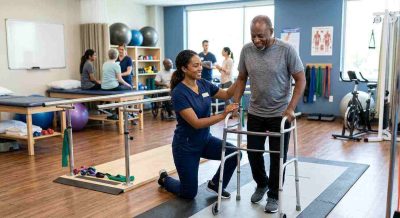 Physical therapy commonly focuses on movement, strength, flexibility, balance, and functional mobility. Occupational therapy can help people perform everyday activities such as dressing, cooking, working, or using adaptive equipment. Speech and language therapy can address communication, speech, swallowing, and related difficulties.
The specific type of rehabilitation depends on the person’s condition and goals.
Recovery Is Often Gradual
After an injury or medical event, tissues and body systems may need time to recover. Rehabilitation programs often use progressive exercises or activities that become more challenging as ability improves. Progress does not always occur in a straight line. Fatigue, pain, inflammation, sleep, emotional stress, and other factors can affect performance from day to day.
The Importance of Personalized Plans
Two people with the same diagnosis may have different levels of strength, mobility, pain, and independence. A rehabilitation professional can assess these differences and adjust activities accordingly. Attempting advanced exercises without appropriate guidance can sometimes increase the risk of injury, particularly after surgery or serious illness.
Rehabilitation and Independence
A major goal of rehabilitation is often functional independence. This may involve learning safer ways to move, improving balance, strengthening muscles, adapting the home environment, or using assistive devices. Rehabilitation can therefore involve much more than exercise alone.
Conclusion
Rehabilitation is a structured process designed around an individual’s abilities and goals. Through appropriate assessment, progressive activity, education, and support, rehabilitation can help people regain skills and participate more fully in daily life.